

The Feast of the Assumption in Mallorca will offer visitors the opportunity to discover 81 monuments in churches and convents across Palma and the Part Forana this August. The 2026 programme includes new research, audiovisual materials, digital resources and cultural activities aimed at raising awareness of one of the island’s most distinctive religious and cultural traditions.
Mallorca is preparing to celebrate the Feast of the Assumption, a tradition deeply connected to the island’s religious, artistic and cultural heritage. To mark the occasion, a total of 81 Beds of the Virgin will be open to the public in churches, parishes and convents across different municipalities.
The Consell de Mallorca and the Diocese of Mallorca have presented the 2026 outreach programme for the Feast of the Assumption, strengthening the conservation, research and public engagement work first launched in 2010.
This year’s programme includes specialist studies, new digital content, an audiovisual report and an extensive programme of conferences, guided visits, artistic installations, music, dance and liturgical celebrations.
Most of the Beds of the Virgin can be visited on 14th and 15th August. In many municipalities, however, they will remain on display until 22nd August, in keeping with the traditional liturgical calendar of the Assumption.
The Beds of the Virgin, a unique part of Mallorca’s heritage
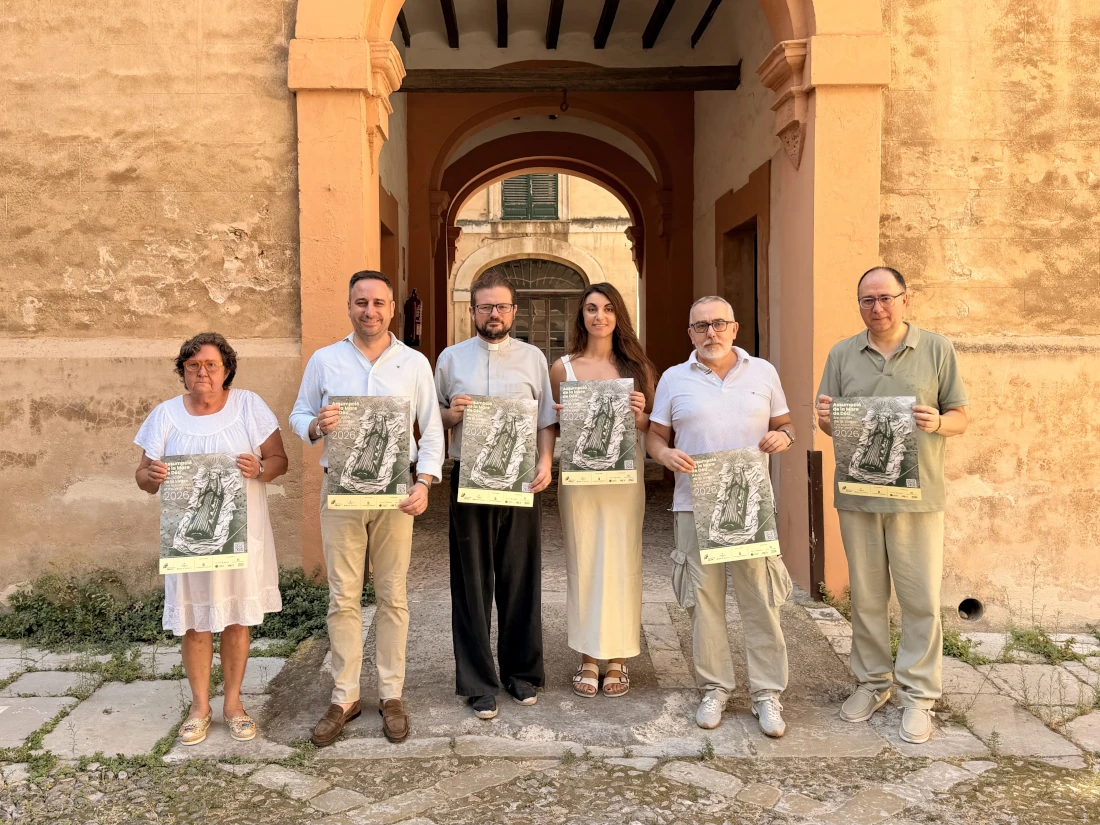
The Beds of the Virgin are artistic and devotional displays depicting the Virgin Mary lying in repose before her Assumption. They are traditionally installed in churches around 15th August and feature images, ceremonial beds, canopies, textiles, flowers, lighting and other pieces of religious furniture.
Each display has its own distinctive characteristics, shaped by its age, the artistic style of its different elements and the particular traditions of each parish or convent.
The preservation of these monuments lies at the heart of the project promoted by the Consell de Mallorca and the Diocese of Mallorca. Its purpose is to conserve the historic displays, further their study and help residents and visitors understand their importance within Mallorcan culture.
The initiative is produced by Maiorica Sacra, an organisation belonging to the Diocese of Mallorca, with the support of the Consell de Mallorca and funding from the Joint Commission for Historical Heritage formed by both institutions.
The project also involves the collaboration of Palma City Council, the Museum of Mallorca, Mallorca Cathedral, ARCA and the Friends of Heritage Foundation.
81 monuments open to the public across Mallorca
The 2026 programme for the Feast of the Assumption in Mallorca includes 81 monuments distributed across the island. Of these, 24 are located in Palma and 57 in municipalities throughout the Part Forana.
The figure remains stable compared with recent years, following the growth recorded after the pandemic and the work undertaken to recover displays that were no longer being installed.
The aim is to ensure that as many Beds of the Virgin as possible can be preserved and exhibited in suitable conditions. Some smaller churches and convents face difficulties in maintaining these displays because of limited material or human resources.
One of the main new developments in 2026 is the recovery of the monument in Santa Eugènia. By contrast, the Bed of the Virgin at the Convent of Sant Vicenç Ferrer in Manacor is no longer included in the route.
The displays introduced in recent years at several churches in Palma are also becoming established parts of the programme: Monti-sion, Santa Teresa de Jesús, Nuestra Señora del Rosario in Son Cladera and Santa Teresa del Niño Jesús in Son Armadans.
These displays now form part of Palma’s established Assumption heritage route.
A new study of the Bed of the Assumption in Sineu
One of the principal additions to the outreach programme is the publication of The Bed of the Assumption at the Convent of the Conceptionist Nuns of Sineu, a study by archaeologist and researcher M. Magdalena Riera Frau.
The study examines both the ceramic figure of the Virgin and the small ceremonial bed on which it is displayed. The figure originated in the workshops of Manacor during the 18th and 19th centuries, while the ensemble was created for the private devotion of the convent’s cloistered religious community.
The research establishes the chronological and stylistic origins of the pieces and expands the information available on a monument that had previously received little academic attention.
The study also highlights the value of smaller beds created for convent spaces and religious communities, which nevertheless possess considerable historical and artistic interest.
A documentary about the Bed of the Virgin at Sant Jaume
The 2026 programme also includes an audiovisual report dedicated to the Bed of the Virgin at the parish church of Sant Jaume in Palma, whose restoration was completed in 2025.
The documentary presents the restoration process and allows viewers to appreciate the artistic quality of the ensemble, created by sculptor Adrià Ferran.
The work is considered one of the finest examples of Mallorcan religious heritage associated with the Feast of the Assumption.
Alongside the documentary, the digital content available on the platforms of the Consell de Mallorca and the Diocese of Mallorca continues to be expanded.
The new historical and artistic information sheets provide details about the reclining figures, ceremonial beds, canopies and other elements that make up the displays. Their purpose is to explain their historical context, artistic development and devotional role.
Cultural programme for the Feast of the Assumption
The opening of the Beds of the Virgin will be complemented by a cultural programme taking place at different locations across Mallorca.
The activities combine heritage, research, contemporary art, music, dance and liturgy, offering different ways of exploring the tradition of the Assumption.
Among the most notable events is the opening in Palma of the installation Sancta Maria, Regina Apostolorum, created by Mn. Nadal Bernat.
There will also be talks about the monuments of the Virgin in Porreres and Santa Maria del Camí, as well as the traditional Solemn Vespers at Mallorca Cathedral.
Muro will host the artistic intervention El vol màgic, while in Montuïri the Cossiers will perform their traditional dance before the Bed of the Virgin.
ARCA will also organise the round-table discussion The Feast of the Assumption, Intangible Heritage of Mallorca, focusing on the cultural, social and symbolic significance of the celebration.
Conservation and restoration of the Beds of the Virgin
The outreach programme forms part of a broader strategy to protect Mallorca’s historical and religious heritage.
In 2026, the Joint Commission formed by the Consell de Mallorca and the Diocese of Mallorca allocated a total of €2.2 million to 29 conservation and restoration projects across the island. This is the largest contribution made by the organisation to date.
The investment includes €8,000 specifically allocated to promoting and raising awareness of the Feast of the Assumption.
Preliminary studies will also be funded ahead of the restoration of the reclining figures of the Virgin in s’Alqueria Blanca, Maria de la Salut and the Convent of the Minims in Campos.
Another planned project is the second phase of the restoration of the Bed of the Virgin at the Convent of the Conception in Palma, which has been allocated a budget of €100,000.
These projects seek not only to guarantee the physical preservation of the pieces, but also to improve their documentation and make their historical and artistic value more accessible to the public.
When to visit the Beds of the Virgin in Mallorca
Opening hours vary depending on each church, parish or convent. Most of the monuments will be open to the public on 14th and 15th August 2026.
In many municipalities, however, the displays will remain open until 22nd August.
Updated opening hours, the complete list of monuments, the studies and the full cultural programme can be consulted through the digital channels of the Consell de Mallorca, the Diocese of Mallorca and Maiorica Sacra.
The information will also be distributed through the tourist information offices of the Consell de Mallorca and Palma City Council, as well as through the channels of the collaborating organisations.

Leave A Comment