

The Day of the Plague is one of the most symbolic and distinctive events of the Sant Sebastià 2026 festivities in Palma. The event will take place on Saturday, January 10, with a programme that combines historical reenactment, music and popular tradition to recall one of the most decisive episodes in the city’s collective memory.
Beyond the festive celebration, the Day of the Plague is a tribute to Palma’s resistance in the face of the epidemic that ravaged Mallorca in the 16th century and to the origin of devotion to Sant Sebastià, patron saint and symbol of collective protection.
Programme of the Day of the Plague – Sant Sebastià 2026
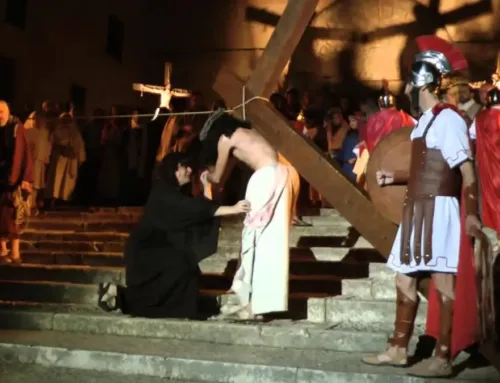
The day is structured around a symbolic reenactment of the historic route linked to the arrival of the saint’s relic in the city.
Schedule and planned events:
-
5:30 pm – Start of the Plague in Plaça de Cort
-
6:00 pm – The Plague arrives in the city
-
6:30 pm – Departure of the Plague procession
-
7:00 pm – Delivery of the relics in Plaça de Llorenç Bisbal
-
Live music in Plaça Madison and a DJ session by DJ Secreto
A succession of events that turn Palma’s historic centre into a living stage of memory and tradition.

Plague doctors: the origin of an iconic figure
The figures of the plague doctors, present in the imagery of the Day of the Plague, date back to the 16th and 17th centuries. Their attire —cloak, gloves and the characteristic beaked mask— was not aesthetic, but one of the earliest forms of preventive medicine.
The beak was filled with aromatic herbs and vinegar to protect against so-called miasmas, the contaminated air believed to cause the disease. Today, these figures have become a powerful visual symbol linking past and present.
Sant Sebastià and the relic that marked Palma’s history
The Day of the Plague commemorates a key episode that took place in 1523. In the heart of the 16th century, Mallorca was simultaneously suffering the Germania revolt and a devastating plague epidemic that threatened to depopulate the island.
After the fall of Rhodes to Suleiman the Magnificent, the knights of the Order of Saint John were evacuated. Among them travelled Emmanuel Suriavisqui, tasked with safeguarding a sacred relic: the bone of Sant Sebastià’s arm.
The procession stopped in Mallorca and, suddenly, the plague disappeared, coinciding with the arrival of the relic. The people interpreted this as a miracle. When the knights attempted to depart, three consecutive storms prevented the ship from leaving. The message was clear: the relic was meant to remain in Ciutat.
From that moment on, Sant Sebastià became Palma’s protector against the plague, and his figure came to represent unity, hope and the city’s collective identity.
The Day of the Plague today: memory, identity and social cohesion
Today, the Day of the Plague is not just a historical reenactment. It is a way of transforming a collective trauma into an act of social cohesion, where the city remembers its past to reaffirm its identity.
The symbolic delivery of the relics, the procession and the music make this event one of the most distinctive moments of Sant Sebastià, especially for those seeking to understand the deeper meaning of the festivities beyond concerts and celebration.
A key event of Sant Sebastià 2026
The Day of the Plague is firmly established as one of the most symbolically charged events of the Sant Sebastià festivities in Palma. A combination of history, tradition and popular culture that explains why, five centuries later, the city’s patron saint remains a reference of protection and collective memory.
An essential plan to experience Sant Sebastià 2026 through its most historical and emotional dimension.



Leave A Comment